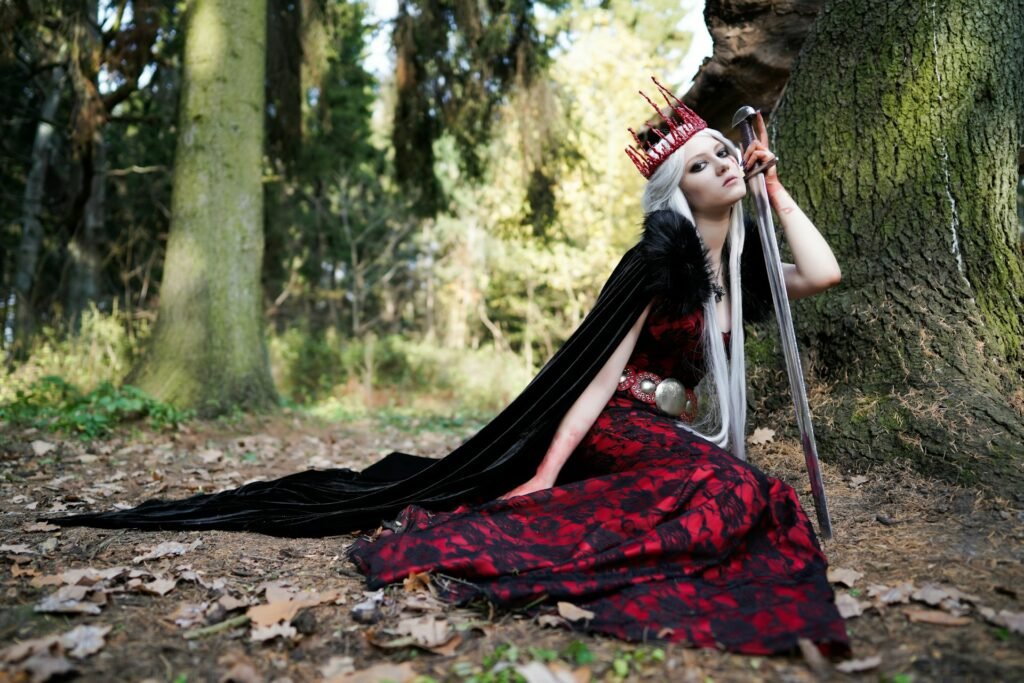
were the feral to cast
chalked white doors
handprints, handprints
powder pale worn
singing us under
singing us home
our lady of phantoms
with one last kiss
before dawn
originally posted 13nov2023; the title is the only modified part of the text
I am taking a short break from blogging and have scheduled a few older poems to fill up the empty spaces in the interim. This poem was originally inspired by the card Mounds of the Tuath from the Oracle of the Morrigan deck.
tok tok tok --
raven tapping on the
fog filled street
originally published 22aug2020
I am taking a short break from blogging and have scheduled a few older poems to fill up the empty spaces in the interim. This haiku is a non-traditional haiku written in the style of Jon Muth, author and illustator of the a series of children books about Stillwater and Ku, Zen pandas.
paper bark and
fine hair flutters
on the pale winds
chasing ripples
over a secret lake
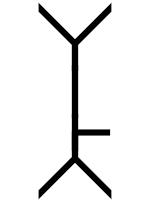
For a change of pace, I decided to revisit ogam/ogham for a poetry prompt tool. As with the Elder Futhark runes, I randomly select one of the ogam fid as a prompt for a bit of micropoetry.
Because I have a poorly-developed sense of humor, the title of this post refers to a variant of the word, fid, “few”. While still in common usage, “few” is not technically accurate to describe the letter — but I like my wordplay.
Beithe (in Old Irish, beith in modern Irish) means “birch”. The fid has a number of cryptic meanings depending on the kenning or its inclusions in the medieval word lists of the filli, including: white, pheasant, livelihood, “withered foot with fine hair”, and “beauty of the eyebrow”, amongst many, many others.
I do not embrace Robert Graves’ mystical meanings as I feel they are not based in scholarship and that they disagree with people who have made a lifetime study of the ogam. While there is evidence of possible filli-coding within the letters (per the lists poets were made to memorize), there is little evidence that magical meaning was the intent and the association with magic appears to be a modern invention… But that is another post.
Perhaps I’ll eventually bring fid back and finish my in-depth exploration of their meanings.